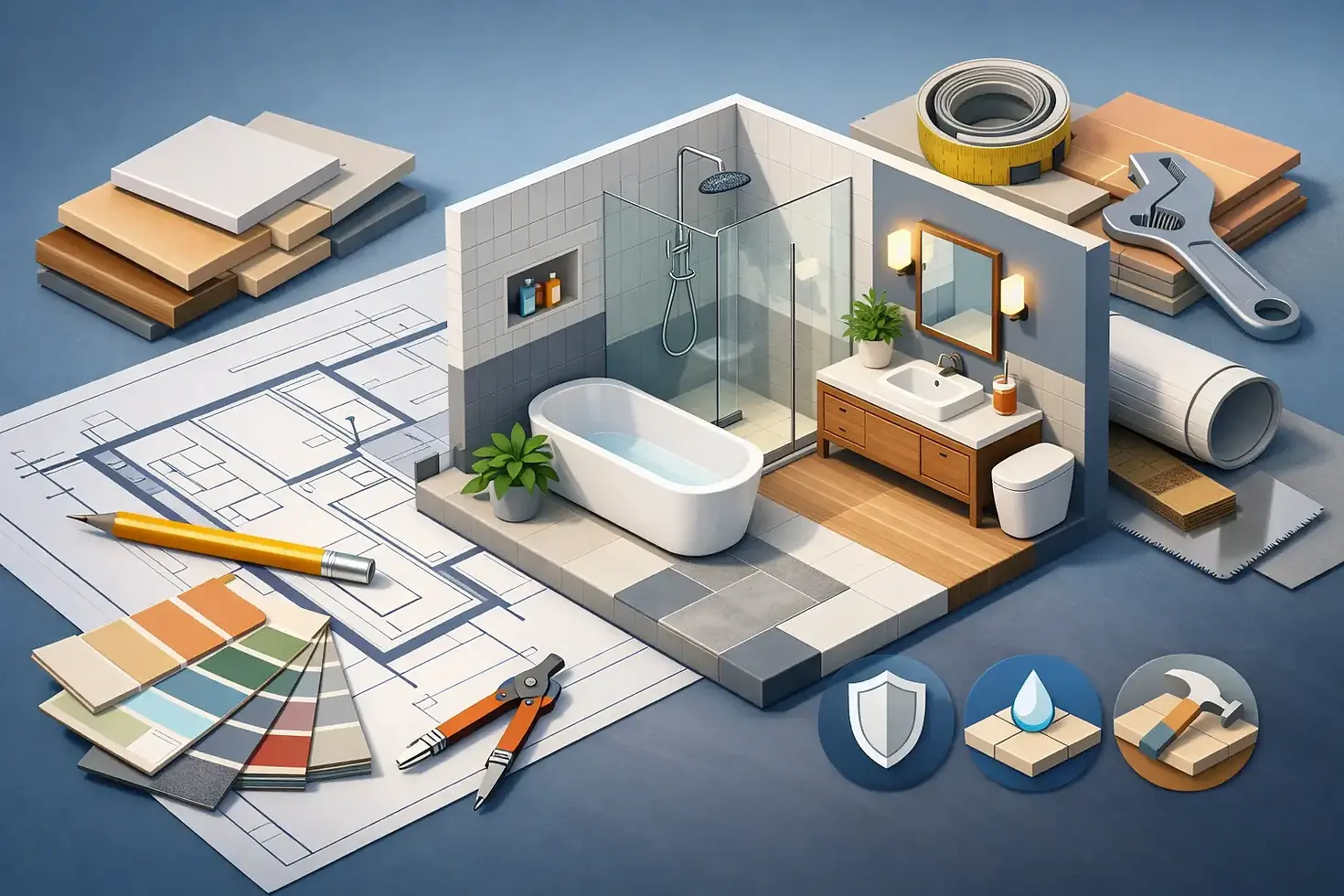
How to Plan Bathroom Updates That Hold Up
- True Grit
- Jul 10
- 6 min read

A bathroom can look tired long before it stops working. Peeling caulk, soft flooring, weak exhaust fans, dated lighting, and a vanity with worn-out drawers all add up. Knowing how to plan bathroom updates helps you spend money where it counts instead of covering up problems that will return a few months later.
The best bathroom plans start with the room you have, the way your household uses it, and an honest look at what needs repair versus what simply needs a better appearance. A full remodel is not always necessary. Sometimes the right combination of repairs, paint, flooring, fixtures, and trim can make an older bathroom feel clean, solid, and current without moving every pipe in the room.
Start With Problems, Not Paint Colors
Before choosing a vanity or tile, walk through the bathroom with a notepad and look for signs of water damage, wear, and poor function. Check around the toilet base, under the sink, at the tub or shower surround, and along the flooring edges. Look for cracked grout, loose caulk, stained ceilings, soft drywall, swollen baseboards, and doors that stick from moisture.
Water is the issue that deserves the most attention. A fresh coat of paint cannot fix a slow leak behind a vanity. New flooring will not last if moisture is getting under it from a failing toilet seal or damaged shower surround. If there is staining, softness, or a musty smell, plan to address the source first and repair the affected material before finishing the room.
Then think about daily use. A family bathroom may need tougher flooring, more storage, and easier-to-clean surfaces. A guest bath may benefit more from improved lighting, a new mirror, fresh paint, and updated fixtures. For a rental property, durable materials and straightforward replacements usually make more sense than highly custom finishes that are costly to repair later.
Decide What Kind of Bathroom Update You Need
Bathroom projects usually fall into three levels: refresh, targeted update, or full remodel. The right level depends on the condition of the room, your budget, and whether plumbing or layout changes are truly needed.
A refresh works when the room is structurally sound but worn down. This may include drywall repair, painting, replacing light fixtures, installing a new faucet, updating cabinet hardware, re-caulking the tub, and replacing a mirror or toilet seat. These changes can have a major visual impact when the existing vanity, tub, and flooring are still in good shape.
A targeted update goes further. You might replace flooring, install a new vanity, repair damaged walls, update trim, improve ventilation, or replace a toilet. This is a practical choice for many homes because it addresses the parts that take the most abuse without the expense of moving plumbing lines or rebuilding the entire bathroom.
A full remodel makes sense when there is extensive water damage, an unsafe shower or tub, outdated plumbing, poor layout, or major accessibility needs. Moving a toilet, shower, or sink can improve the room, but it also increases labor, materials, and the chance of uncovering hidden issues. If the layout works well enough, keeping fixtures in their current locations is often one of the smartest ways to control costs.
Set a Budget With Room for Repairs
A bathroom budget should cover more than the items you can see in a showroom. Plan for demolition, disposal, drywall repair, subfloor work, paint, trim, installation labor, and the small materials that finish the job properly. Caulk, fasteners, plumbing connections, transition strips, and moisture-resistant materials are not exciting purchases, but they are part of lasting quality.
Set aside a contingency amount for hidden repairs. Older bathrooms can reveal damaged subflooring, weak framing around a tub, mold from a past leak, or wall damage once a vanity or surround comes out. The amount depends on the age and condition of the home, but leaving room in the budget keeps an unexpected repair from forcing shortcuts later.
It also helps to separate must-haves from nice-to-haves. Fixing a leaking fixture, replacing soft flooring, and installing a working exhaust fan belong in the must-have category. A higher-end mirror, specialty light fixture, or decorative wall treatment can wait if the budget gets tight. That does not mean choosing cheap materials. It means putting the money into the work that protects the home first.
How to Plan Bathroom Updates in the Right Order
The order of work matters. Installing new flooring before fixing a plumbing leak or painting walls before repairing drywall creates extra work and unnecessary expense. A well-planned project moves from messy, behind-the-wall work to final finishes.
Start with demolition and removal of damaged materials. Next come plumbing repairs, electrical updates, ventilation work, framing repairs, and subfloor corrections. Once those items are handled, drywall can be repaired and finished. Flooring, vanity installation, trim, fixtures, paint touchups, and accessories come later.
This sequence may shift slightly depending on the materials. For example, some flooring products should go under the vanity, while others may be installed up to it. A contractor can help determine what works best for the product and the room. The key is not to rush the visible finishes ahead of the repairs that support them.
If the bathroom is the only one in the home, think through how long it can be out of service. A simple update may allow the toilet or sink to stay in use for much of the project. A full tub or shower replacement may require more planning. Knowing the likely disruption before work begins makes the process far easier on the household.
Choose Materials for Moisture and Real Life
Bathrooms are hard on materials. Steam, splashes, wet towels, and frequent cleaning products can wear down finishes quickly. Choose products based on how they will perform, not just how they look on a sample board.
For flooring, water resistance and a solid installation matter. Tile can last for years when the subfloor and waterproofing are done correctly, but it may cost more and take longer to install. Luxury vinyl plank or vinyl tile can be a practical option for many bathrooms because it is comfortable underfoot, easier to replace, and available in durable styles. The best option depends on the condition of the floor, the budget, and the level of moisture the room sees.
For walls, use quality paint made for kitchens and baths. A satin or semi-gloss finish is often easier to clean than flat paint, though the final choice depends on the wall condition and the look you want. In wet areas, proper shower surrounds, tile work, and caulking do more to prevent damage than paint ever can.
Do not overlook the exhaust fan. A bathroom without good ventilation is more likely to develop peeling paint, mildew, and moisture damage over time. If the mirror stays fogged long after a shower, the fan may be weak, undersized, or not venting properly. Improving ventilation is one of those updates that protects every other update you make.
Plan Storage, Lighting, and Small Details Early
A bathroom does not need to be large to work well, but it does need a place for the things people use every day. Before selecting a vanity, measure the available space and think about drawer access, door swing, and where towels, cleaning supplies, and toiletries will go. A vanity that looks good but blocks a doorway or provides no useful storage becomes frustrating fast.
Lighting deserves the same attention. One ceiling fixture often creates shadows at the mirror, especially in older bathrooms. Better lighting at the vanity can make shaving, makeup, and everyday routines easier. Consider the location of outlets, switches, and fixtures before walls are closed up or a new mirror is installed.
Finish details are where a bathroom starts to feel complete. Straight trim, clean caulk lines, properly fitted flooring transitions, secure towel bars, and a door that closes smoothly all matter. These are not flashy items, but they are the details homeowners notice every day.
Know When to Bring in Help
Some bathroom updates are manageable for a handy homeowner, especially painting, replacing hardware, or installing simple accessories. But water damage, subfloor repair, drywall finishing, flooring installation, demolition, and fixture replacement can turn into bigger work quickly. Bringing in dependable help can prevent costly mistakes and avoid the headache of coordinating several different crews.
For homeowners and property owners in Chanute, Parsons, Iola, and surrounding Southeast Kansas communities, True Grit Repairs can help assess what needs attention and build a practical plan around the work that matters most. Clear communication at the start helps keep the project moving and keeps surprises to a minimum.
A good bathroom update should make the room easier to use, easier to clean, and better protected from moisture. Start with the repairs, choose materials that fit real life, and give the finishing work the same care as the visible upgrades. That is how a bathroom stays looking good long after the project is finished.


Comments